Immersive Rehabilitation for Cerebral Palsy
Immersive virtual and mixed reality therapy to improve and maintain motor skills, coordination, and quality of life for people with cerebral palsy.

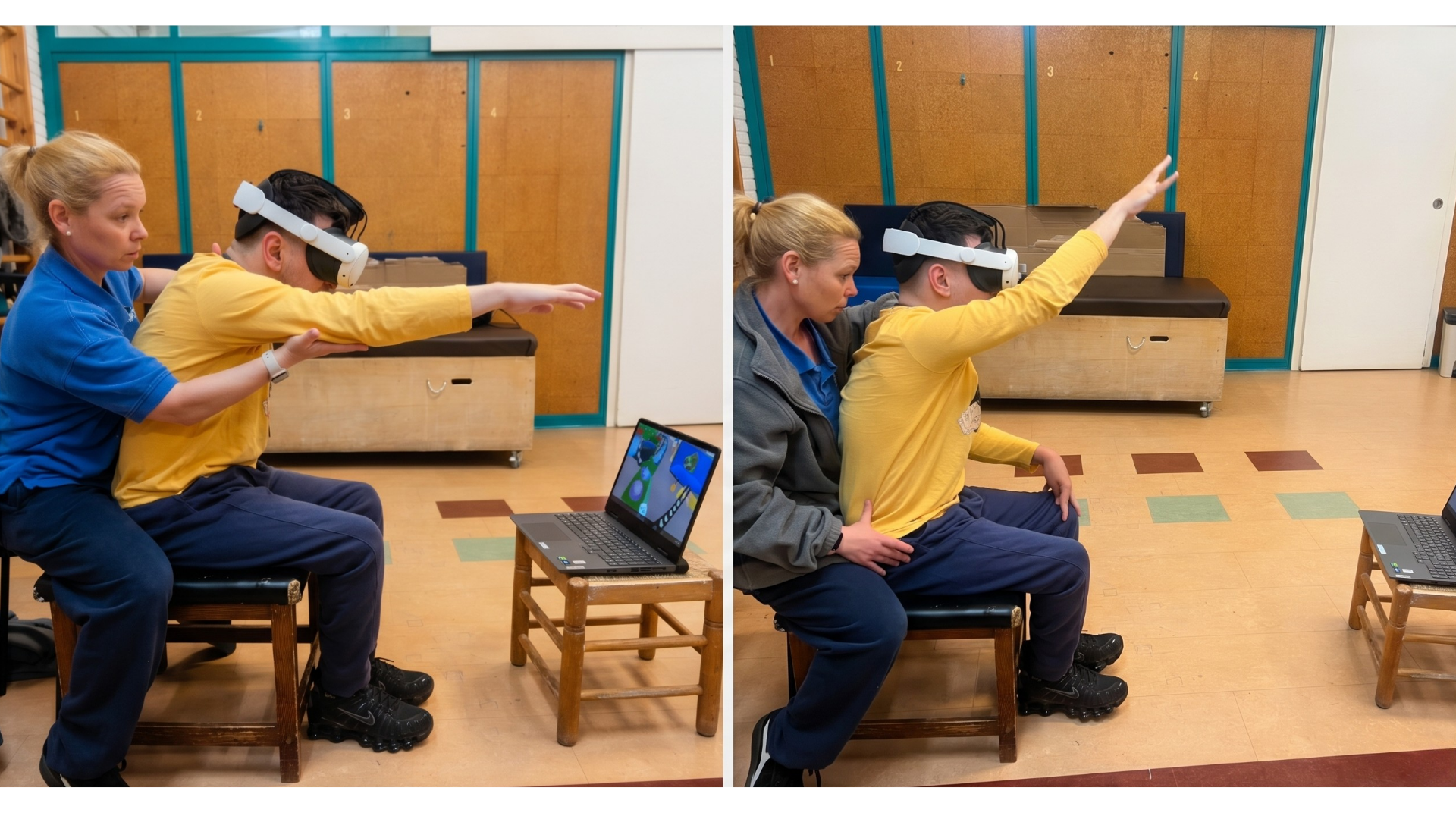
The clinical challenge of cerebral palsy rehabilitation
Physiotherapy professionals face specific challenges when working with cerebral palsy patients that immersive technology can address.
Limited motor control
Patients with cerebral palsy have difficulties with motor coordination, balance, and fine motor skills that make conventional exercises challenging.
Low motivation and adherence
Repetitive conventional rehabilitation sessions cause demotivation, especially in children and young people, reducing treatment adherence.
Difficult to measure results
Objective functional assessment of progress requires monitoring tools that go beyond traditional clinical observation.
How Voima XR responds to these challenges
Immersive technology offers unique mechanisms that complement and enhance the physiotherapist's intervention.
Serious Games adapted to them
Exercises designed to transform rehabilitation into a motivating environment with low frustration, significantly increasing patient adherence and satisfaction.
Neuroplastic stimulation
Virtual Reality activates neuroplasticity mechanisms, facilitating cortical reorganization and creation of new neural pathways for motor control.
Holistic monitoring
The physiotherapist can perform precise and simple tracking of the patient, with objective performance data, progress trends, and improvement suggestions proposed by the system.
Scientific evidence
- Warnier N, et al. (2020). "Effect of Virtual Reality Therapy on Balance and Walking in Children with Cerebral Palsy: A Systematic Review." Developmental Neurorehabilitation, 23(8), 502-518.
- Chen Y, et al. (2018). "The effectiveness of virtual reality-based intervention on motor outcomes in children with cerebral palsy: A systematic review." Research in Developmental Disabilities, 79, 95-109.
- Ravi DK, et al. (2017). "Effectiveness of virtual reality rehabilitation for unilateral neglect in patients with cerebral palsy." Journal of Clinical Diagnostic Research, 11(1), YC01-YC04.
Explore more
Discover more about our technology and clinical collaborations.